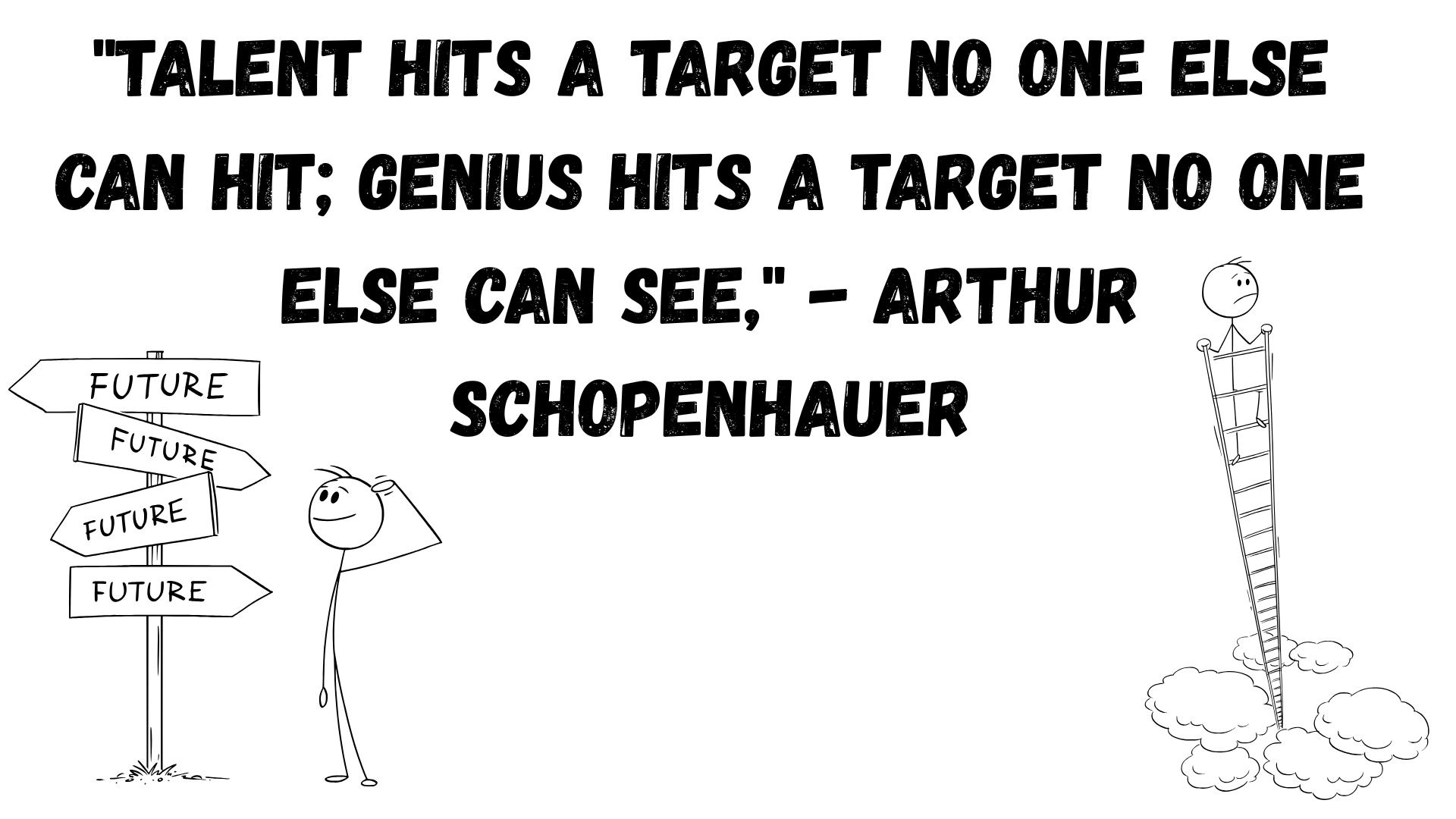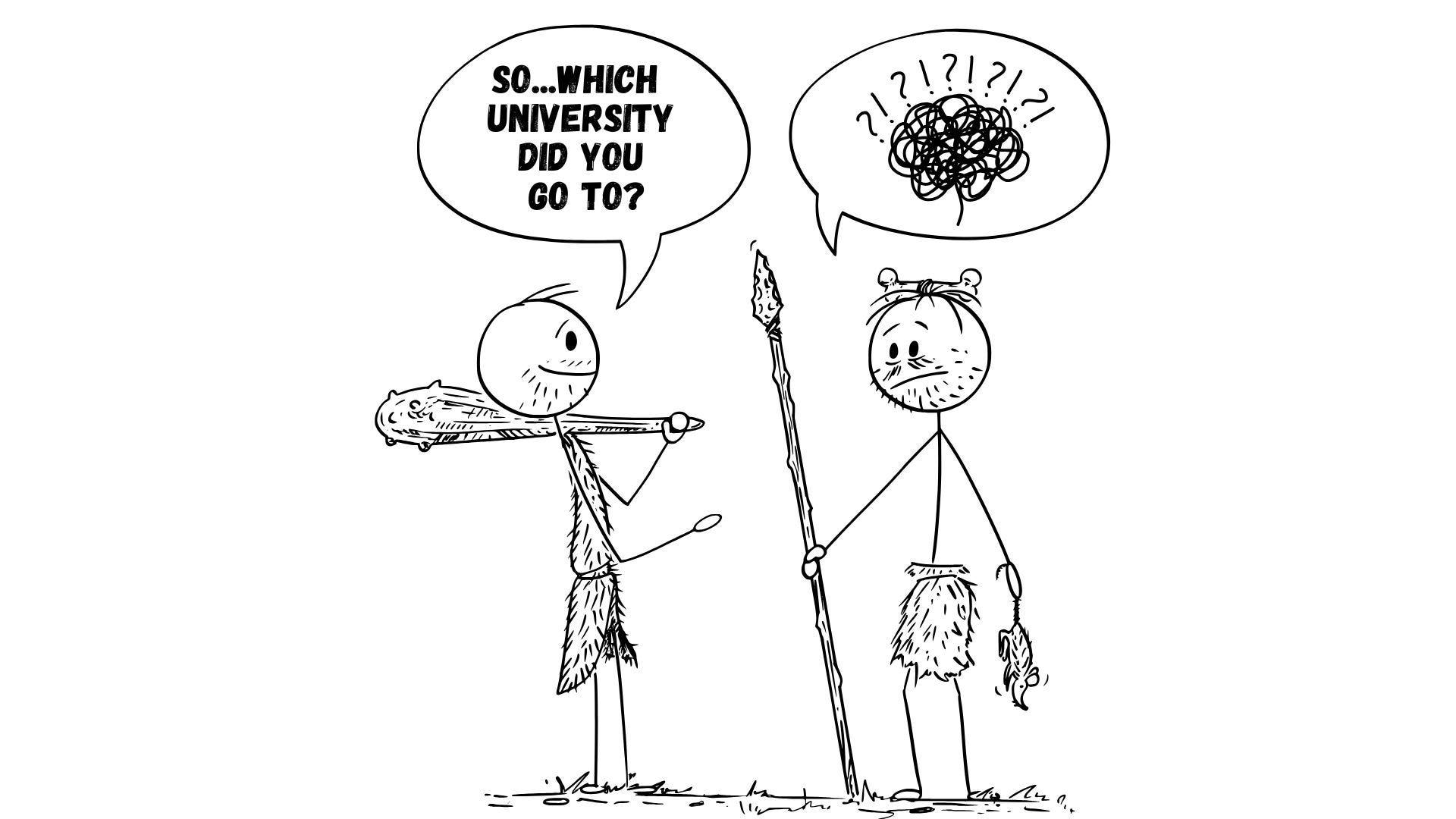

This is a great question 👆
How will AI rewrite the social contract for our kids’ generation?
In the Roman Empire, Latin wasn’t just a language.
It was an opportunity.
Everyone did not speak Latin.
It was only spoken by those who governed, judged, and controlled.
If you spoke Latin,
you could enter the courts, serve the emperors,
work in administration,
and shape law, religion, and philosophy.
You had status.
Entire institutions and careers were built around it.
Identities were shaped by speaking Latin.
Then the world changed.
Empires crumbled.
Vernacular languages slowly replaced spoken Latin.
Power began to decentralise.
Latin didn’t disappear.
For centuries, it remained the language of elites, the Church, and universities.
But when the printing press spread new ideas and knowledge in everyday languages,
Latin lost its monopoly on opportunity.
Slowly, Latin merged into Spanish, Italian, and French.
You could be successful in society without Latin. It lost its status.
The printing press disrupted the power of Latin
by sharing books with new ideas and languages.
History is repeating itself.
AI is disrupting the knowledge economy and the education system
with technology that knows everything.
Will the status of universities and colleges crumble like Latin?
We are entering an era of large-scale job disruption.
Like Latin, a university or college degree was the cost of entry
into a successful life.
Having the right degree,
from the right educational institution,
guaranteed opportunity.
A degree was status,
a way to signal that you had a wider understanding
and depth of knowledge.
It was a way to stand out in the crowd.
Knowledge was a competitive advantage.
Now, everyone has access to all the knowledge in the world
in their pockets for a $20-a-month SkyNet subscription.
The system is crumbling.
When I was a kid, only 1 in 4 went to university.
It was free in the UK
and guaranteed opportunities to experience a better financial life.
Now, over 50 per cent of kids go to universities or colleges,
and there are more degrees than jobs.
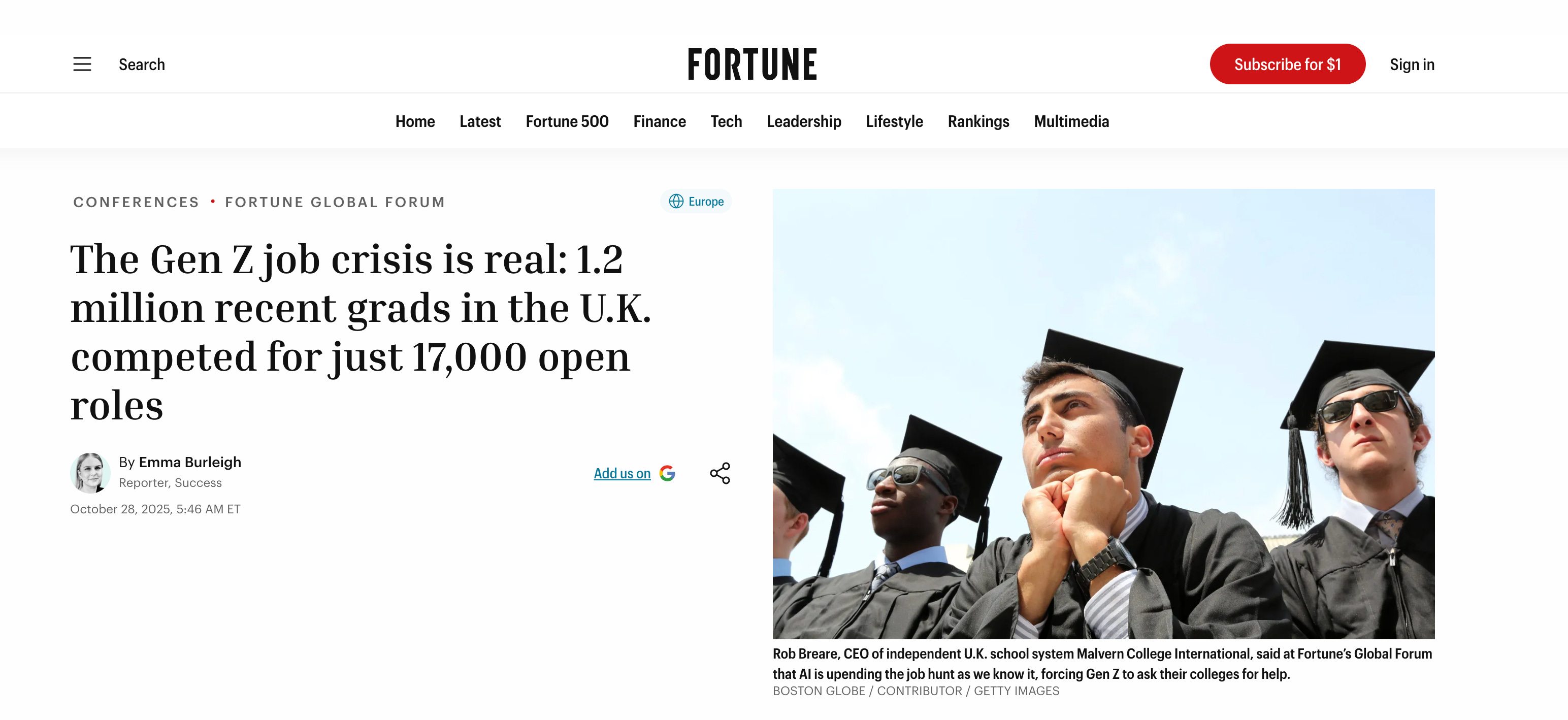
There were 1.2 million new university graduate applications
for 17,000 graduate positions.
There is still status if you go to an Ivy League college.
A graduate from Harvard or Oxford will get employed.
But in an AI world that will replace most knowledge white-collar work,
the value of degrees will diminish even further.
What will the new status be?
A unique skill set?
Or is it taste?
It seems clear that we will enter a white-collar gig economy.
AI will replace many linear systems,
but it has no emotional intelligence.
It has no taste.
Being a creative visionary
is combining taste with pattern recognition.
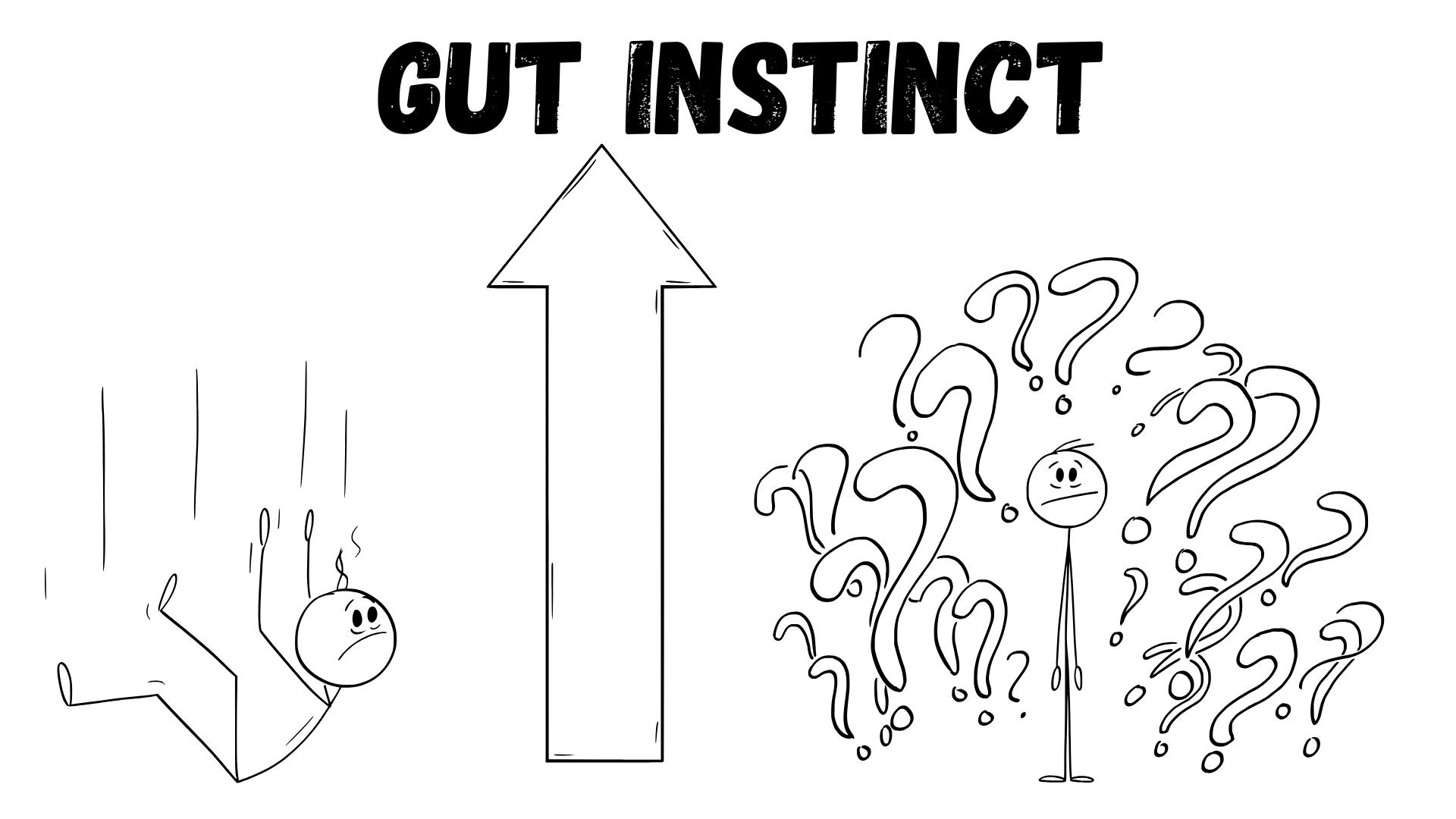
In his New York Times best-selling book Blink,
Malcolm Gladwell showed that our most powerful decisions
aren’t made through credentials,
but through taste.
What he called thin-slicing
is pattern recognition under uncertainty,
intuition trained by failure and feedback.
In an AI world where machines process information
faster than any human ever could,
what remains uniquely valuable
is the capacity to decide what matters.
That’s what taste is.
The ability to sense quality, relevance, and meaning
before it can be articulated.
As the old languages of power,
Latin, degrees, titles,
lose their monopoly,
the new status won’t belong
to those who know the most,
but to those who see the most clearly.
Judgment becomes currency.
Taste has value.
Pattern recognition becomes the new language of power.
Not a sterile, linear pattern recognition mastered by AI,
but emotional pattern recognition.
Idea synthesis.
Joining the dots,
which is the main function
of our divergent thinking brains.
The future is not specialisation and linear thinking.
The future is idea synthesis and taste.
It is adaptability.
It is creative thinking.
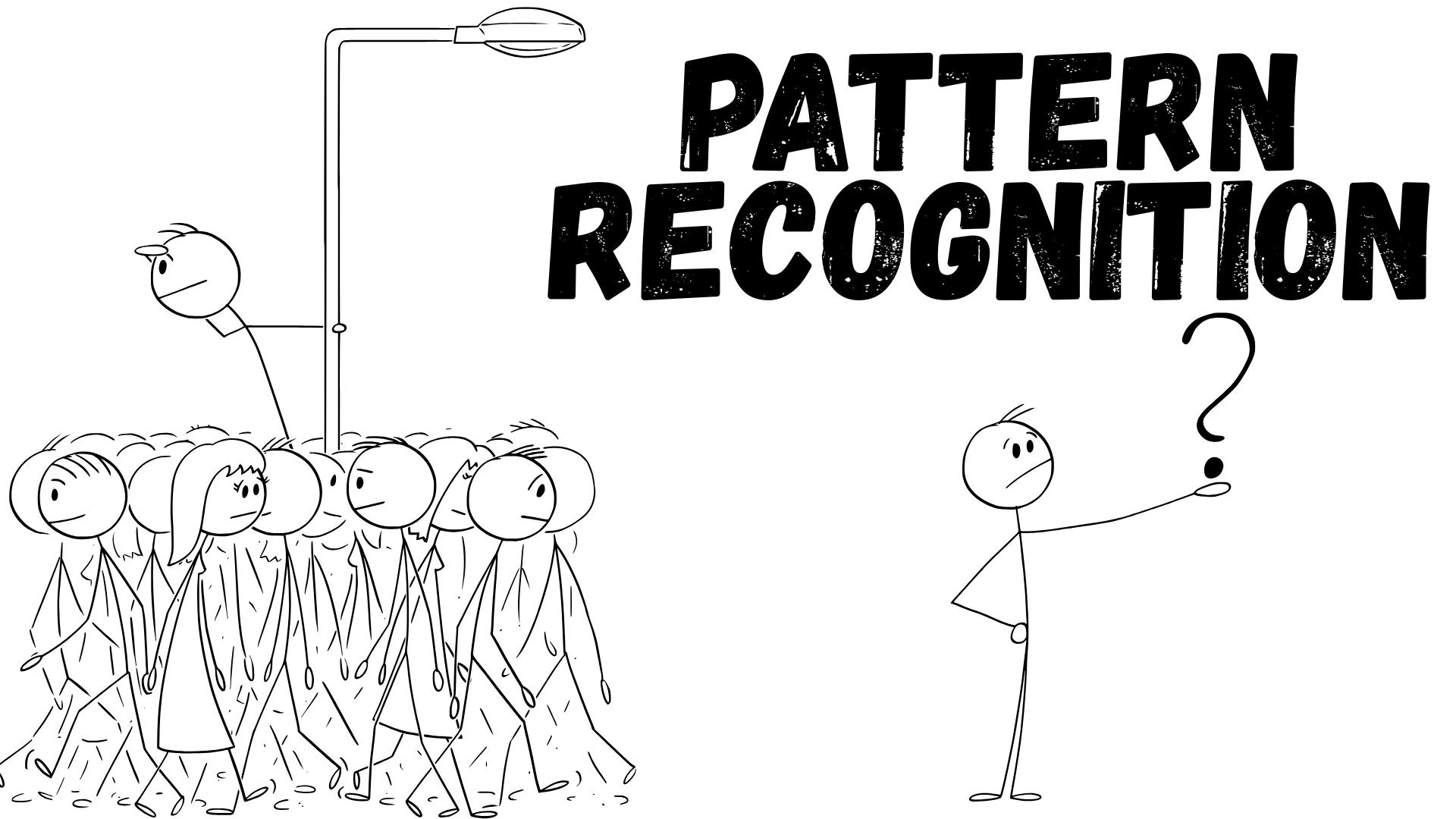
I used to believe I had a good ear for a hit records.
But really, I was using pattern recognition skills and taste.
In dance music, it took about 12 to 18 months
for a record played in small underground clubs
to build momentum
and end up being played to millions
on BBC Radio 1 and in the charts.
The pattern looked like this:
Step 1) DJs played promo tracks sent to them by PRs
Step 2) Tracks started to get specialist plays on tiny radio dance music shows
Step 3) Tracks featured heavily at the Winter Music Conference in Miami
Step 4) Tracks were played heavily in Ibiza clubs
Step 5) Tracks were played on mainstream radio
Step 6) Tracks entered the mainstream charts
Following this formula meant I signed DJs,
usually one-hit wonders,
before they blew up
and enjoyed mainstream success.
Did it work every time?
Hell no.
I have way more failures than successes.
But it was a pattern.
The question you need to ask yourself is this:
The 5 Key Pattern Recognition Questions
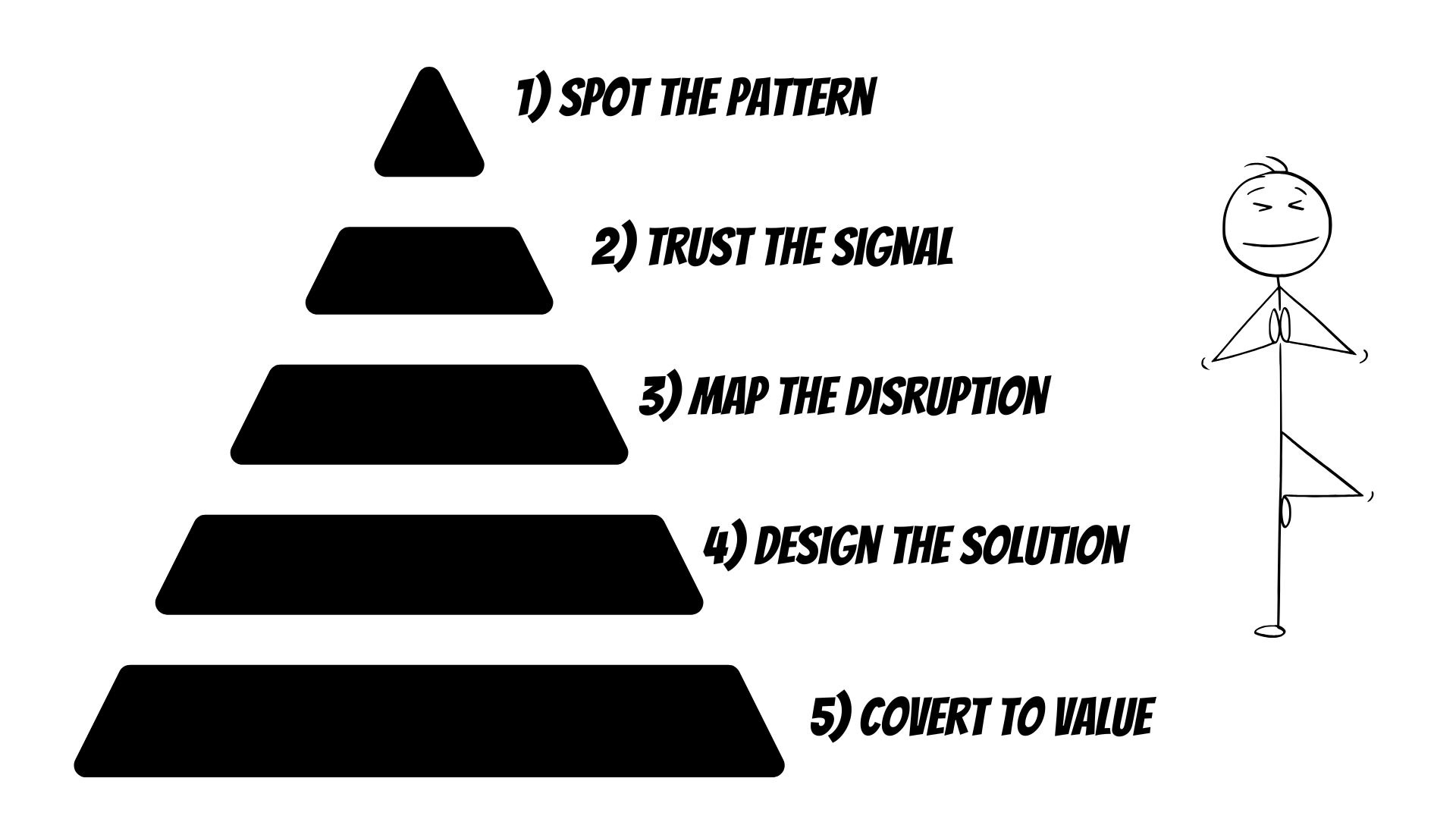
1) What patterns can you spot in your industry?
2) What do you see or feel before others?
This is your pattern recognition skill,
and like all skills, it can be fine-tuned.
3) How is AI going to disrupt your industry?
Disruption is going to create new problems.
4) And how are you going to create the solutions?
5) And then how can you turn those solutions
into a business
that helps other people?
👆These are the key questions to ask yourself so you can see what no one else can see.