

Cast your mind back to being a kid in the playground
Did you play “Would you rather fly or be invisible?”
It’s the classic superpower question.
The real superpower for multipotentialites is finishing projects we have started.
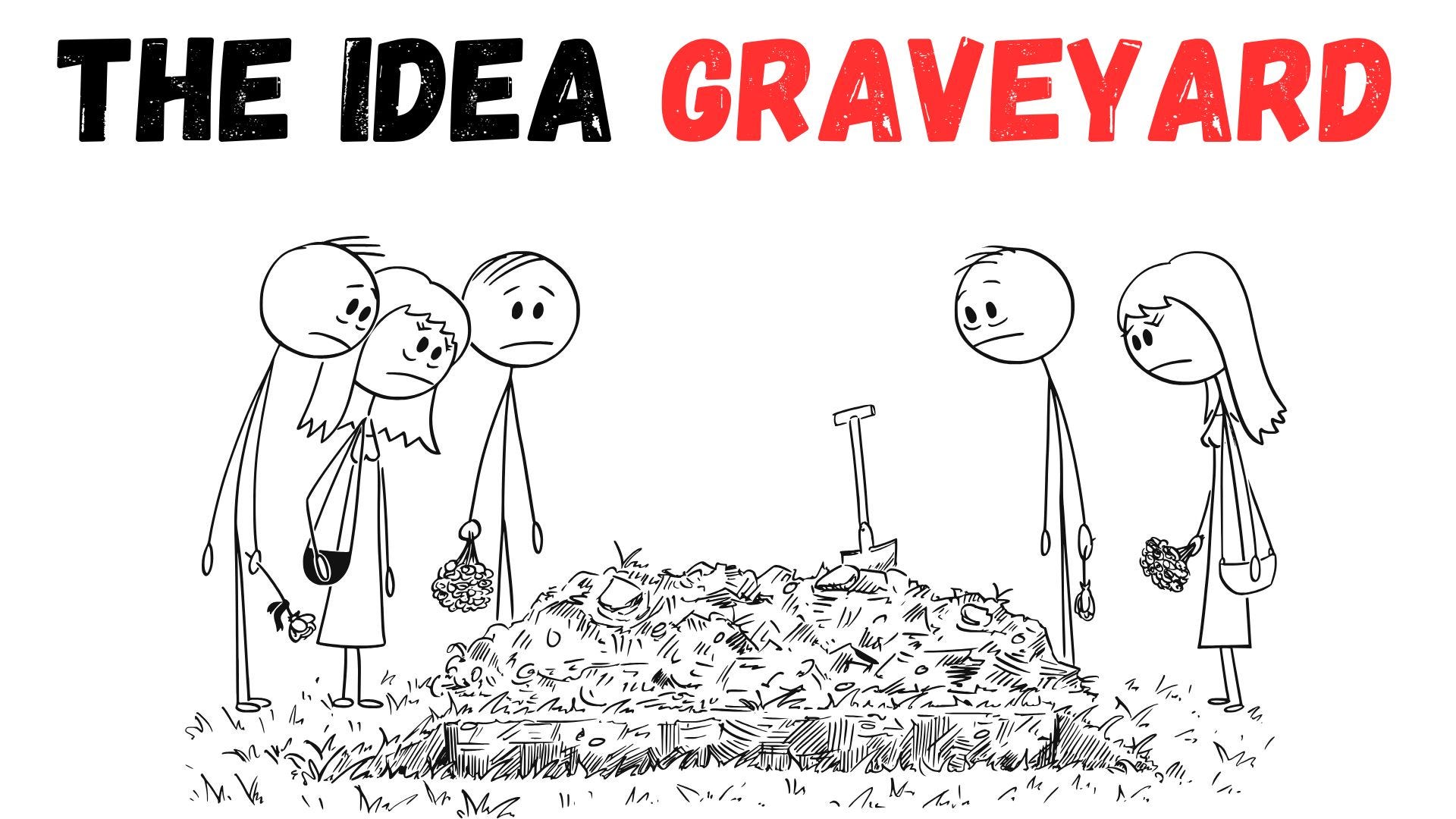
We have genius ideas. But most of them never see the light of day.
Why?
Because of the Idea Graveyard Cycle.
I’ve been guilty of this for much of my life. And now I watch my daughter repeat the same pattern.
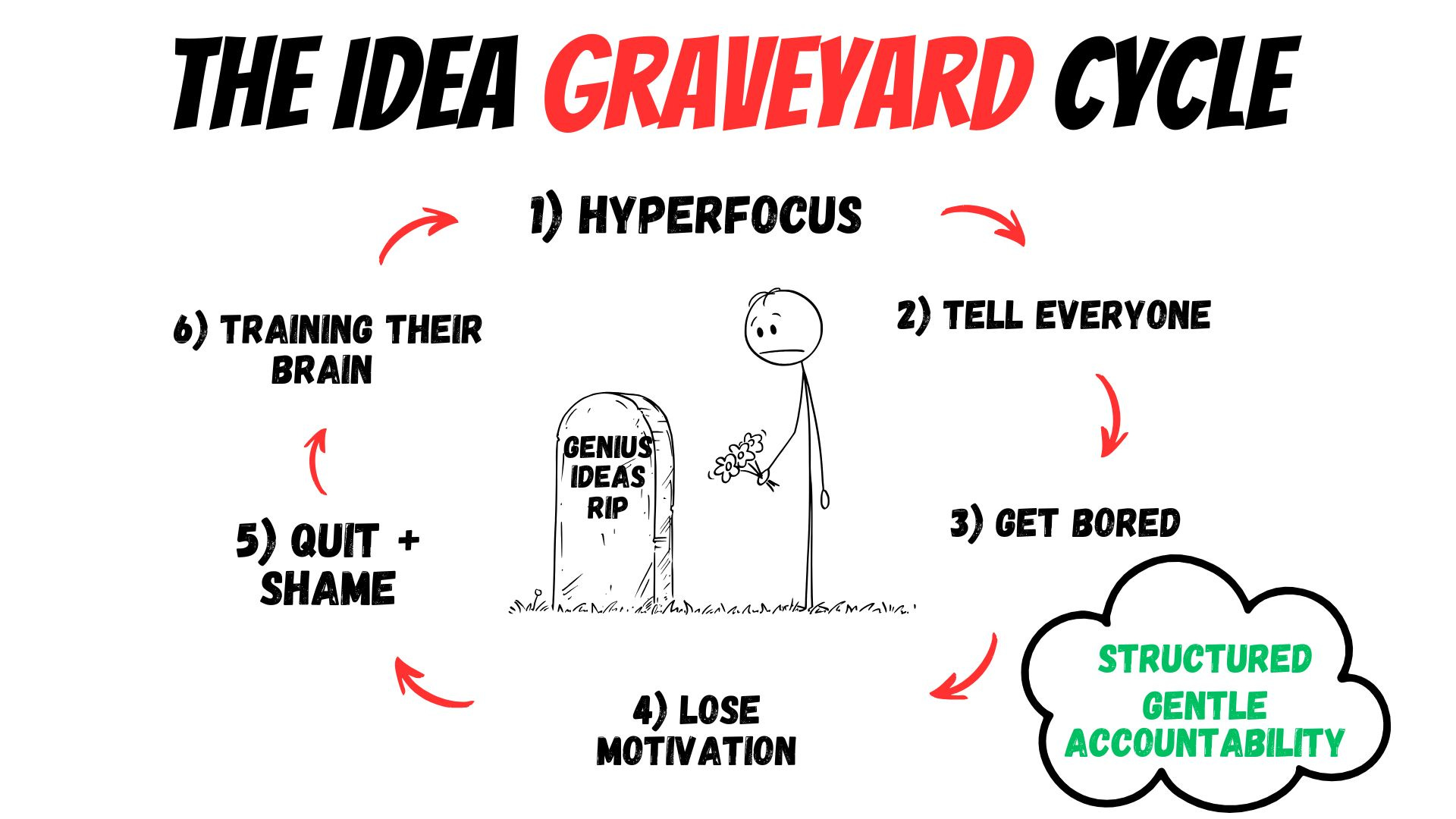
My daughter hyperfocuses on a new creative project
She excitedly drags everyone to her desk to show what she is working on.
Next, she’s chasing food around her plate with her chin resting on her hand
This is super confusing for kids. They don’t understand that their divergent thinking brains struggle to sustain dopamine over long periods.
They think there is something wrong with them…
Then she’s deflated.
She quits. She doesn’t say anything, but we can feel her shame
The worst part? Every time she doesn’t finish a project, it makes it easier to do it again.
Neuroplasticty
This is neuroplasticity working against them.
Neuroplasticity means your child's brain physically rewires itself based on their experiences and behaviors.
This means the patterns and habits they practice now become part of who they are."
Who we are can literally be reshaped by what we repeatedly think and do.
“We are what we repeatedly do. Excellence, then, is not an act, but a habit.” — Aristotle
Every time we quit a project, we strengthen the pathway to quit more projects. What we repeatedly do creates new patterns.
These patterns create our identity.
Caveat: “Not every project needs finishing, but abandoning ideas we deeply care about before giving them a shot creates shame.”
Our kids feel the same.
To avoid further shame, our kids may stop acting on ideas. They don’t trust themselves to finish.
So they stop trying new projects altogether.
They research until they talk themselves out of good ideas.
And this explains why so many neurodivergent people have low self-esteem.
We are creative people, and if we are not expressing ourselves creatively then we are suppressing our emotions and often fall into depression.
We didn’t know about this when we were kids, but we can help our kids avoid the same shame spirals.
The Power of Finishing
I tried coaching my daughter. But she’s a pre-teen, and I’m her dad; we have a great relationship, but she’s not exactly looking to me for life advice right now 😆
Here’s what I learned: our kids need structure and gentle accountability.
In Future Proof, we run monthly gamified creative cohorts built around healthy dopamine hits and gentle peer accountability.
The kids get community points and can win cash prizes.
These are designed with neuroplasticity in mind.
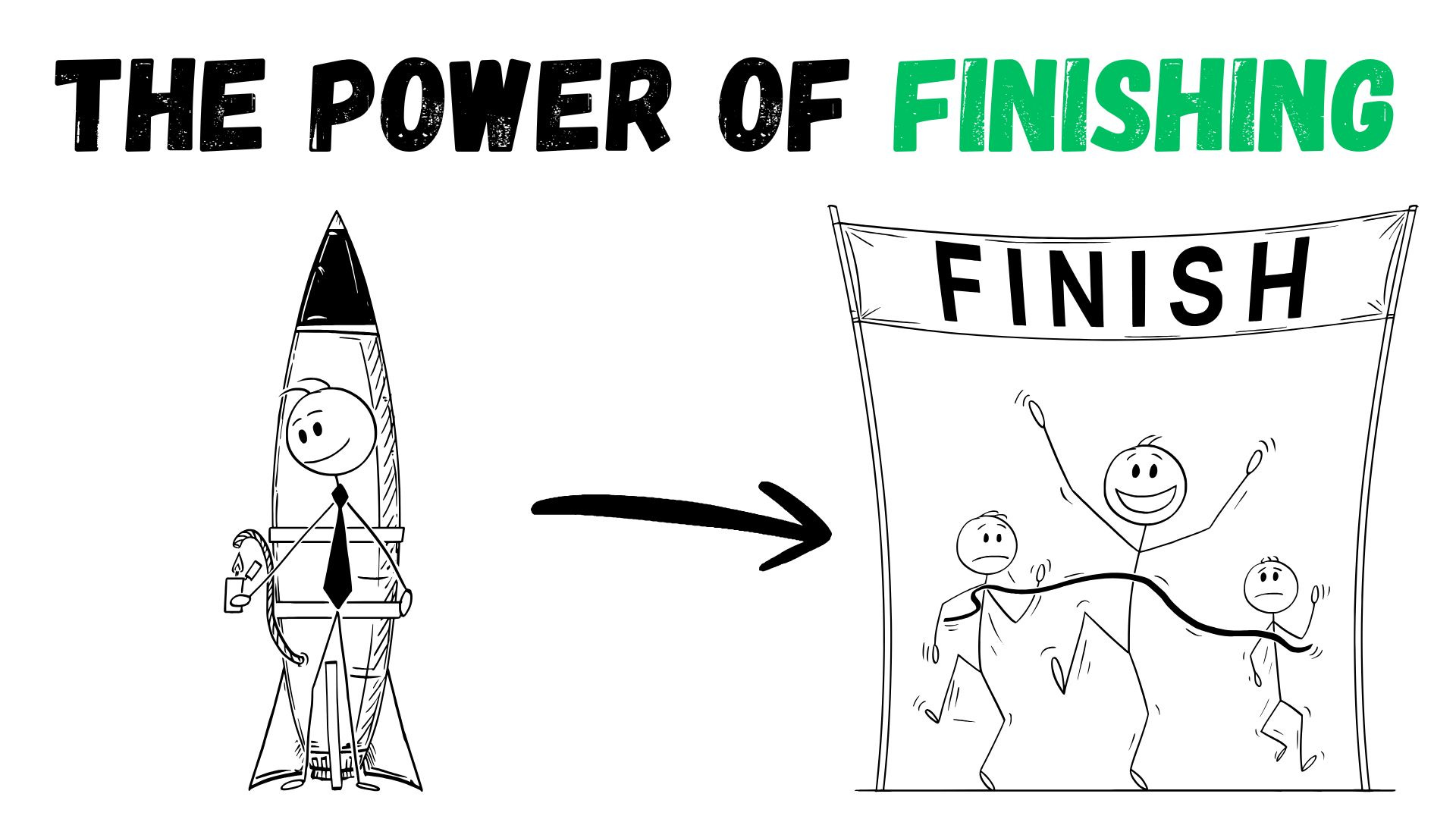
When kids start and finish a project, they get a natural dopamine reward, but more importantly, they build self-trust.
Self-trust is the foundation of confidence.
And here’s the thing, this works for adults, too. It’s the same problem, but we have older faces and more to unlearn.
When we start and finish, we build self-trust. We stop second-guessing every pivot. We take risks and share our ideas instead of endlessly planning.
Do this once? Cool. Twice? Even better.
But do it several times in a row? That’s neuroplasticity working for us. That’s a new pathway.
That’s how we finally finish what we start.
Fellow multipotentialite parents: Quick show of hands: what age range are your kids in? (I have a theory about something and need your help testing it...)